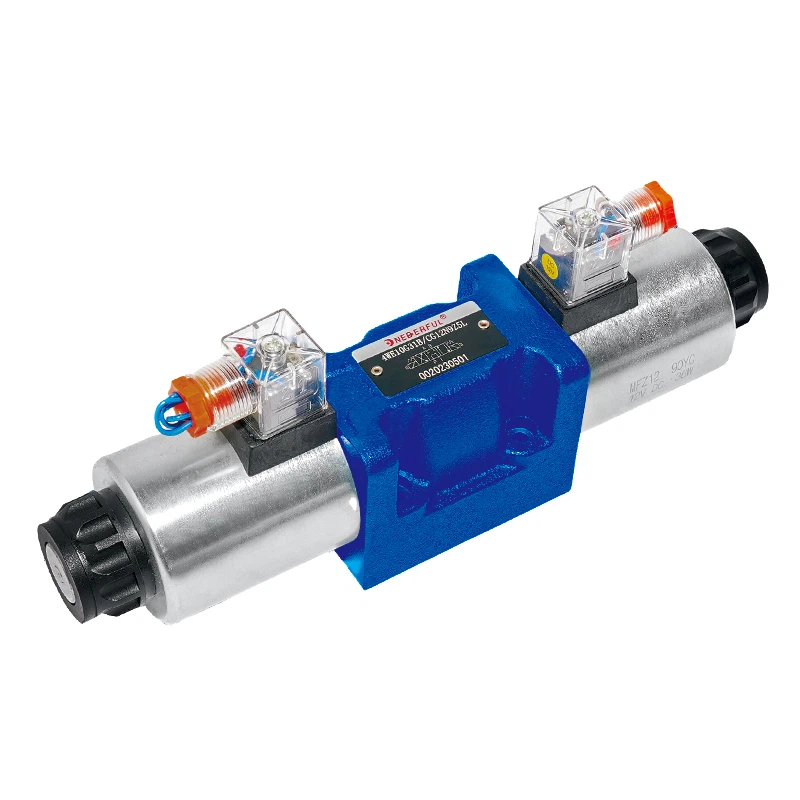
As a critical actuator in hydraulic systems, the proper use and maintenance of hydraulic motors are essential for equipment longevity and operational safety. The following are key points to note when using hydraulic motors:
I. Installation and Connection
Before installation, inspect the motor shaft extension and oil ports to ensure they are clean and free of debris. When connecting oil lines, ensure the inlet and outlet ports are not reversed, and that the hose fittings are properly sealed to prevent oil leaks. When installing the coupling, ensure proper alignment; excessive misalignment can damage the motor bearings. If the motor housing has a drain port, it must be connected directly to the oil tank and must not share the return line.
II. Startup and Operation
Before the initial startup, fill the interior of the housing with hydraulic oil through the drain port to prevent dry friction damage to internal components during startup. During startup, first run the motor at low pressure and no load for 3–5 minutes to purge air from the system. Once operation is stable, gradually increase pressure and apply load. During operation, closely monitor the motor's sound, temperature, and speed changes. If abnormal vibration or unusual noise occurs, shut down immediately for inspection.
III. Hydraulic Fluid and Filtration
The cleanliness of the hydraulic fluid directly affects the motor's service life; a filtration rating of at least 20 microns is recommended. Regularly inspect the fluid quality and replace it promptly if emulsification, deterioration, or severe contamination is detected. Do not mix hydraulic fluids of different grades. Maintain the oil temperature within the permissible range, generally between 20°C and 60°C; excessive temperatures will accelerate seal aging and fluid oxidation.
IV. Load and Speed
Overloading and exceeding the rated speed are strictly prohibited; the motor must be operated within the rated parameters. For motors subject to frequent forward and reverse cycling, the load should be appropriately reduced to prevent internal component damage caused by hydraulic shock. Before shutting down, unload the system first before cutting off the power supply; avoid stopping the motor while it is still under load.
V. Maintenance and Care
Regularly inspect all connecting bolts for looseness and check hydraulic hoses for leaks. Motors that will be out of service for an extended period should be filled with clean hydraulic oil, have their ports sealed, and be stored in a dry, dust-free location. When replacing a motor, replace the hydraulic oil and filter element simultaneously to prevent contaminants in the old oil from accelerating wear on the new motor.
By following the precautions outlined above and strictly adhering to operating procedures, you can effectively extend the service life of the hydraulic motor and ensure the safe and stable operation of the equipment.