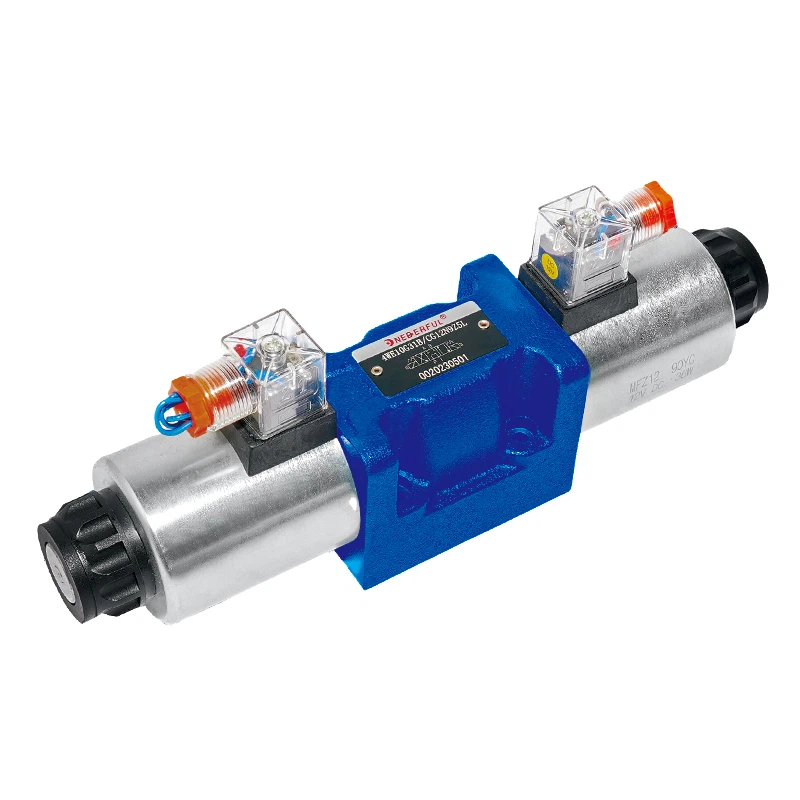
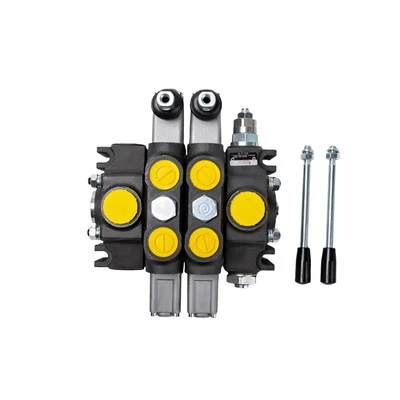
As the control core of a system, the reliability of hydraulic valves directly impacts equipment operation. In actual maintenance, 80% of hydraulic valve failures are not caused by natural wear and tear, but rather by fluid contamination, improper operation, or lack of maintenance. Mastering the following technical skills can significantly extend valve service life.
I. Contamination Control: Addressing the Root Cause of "Contamination at the Source"
Fluid cleanliness is the lifeblood of hydraulic valves. The clearance between the spool and the valve body is typically only 3–15 micrometers; a single visible metal particle can cause sticking. The professional approach is to maintain cleanliness within Class 9 according to the NAS 1638 standard (corresponding to ISO 4406 18/15/12); install a high-precision filter element with a β10 ≥ 100 in the return line; and regularly test the oil's moisture content (which should be below 0.1%) .
II. Key Diagnostics: Three Steps to Pinpoint the Fault
For common faults, the following standard diagnostic procedure is recommended:
Internal Leakage Diagnosis: When the actuator responds sluggishly, disconnect the valve's T-port line. If oil continues to flow out, this indicates spool wear or seal failure.
Sticking Resolution: If the spool is stuck, never forcefully tap the housing (as this may cause deformation). Instead, remove the spool and use 2000-grit sandpaper to smooth out burrs along the axial direction. Clean with kerosene and reassemble.
Unstable Pressure Regulation: For relief valves, first check if the orifice is blocked (use a 0.4mm steel wire to clear the hole), then verify if the spring has permanently deformed.
III. Assembly Guidelines: Details Determine Success
During repair and assembly, strictly adhere to the following: Apply a small amount of hydraulic oil to all seals to prevent shear damage; tighten bolts in a diagonal sequence in three stages to the specified torque (e.g., 25–30 N·m for M8 bolts); before replacing the solenoid coil, measure the insulation resistance (which should be >1 MΩ) to prevent short circuits that could damage the valve body.
IV. Establish a Maintenance Log
It is recommended to record the valve response time, leakage rate, and fluid cleanliness every 2,000 operating hours. Through trend analysis, anomalies can be detected up to two weeks before sudden failure, shifting the approach from "reactive repairs" to "condition-based maintenance."
By mastering the above technical points, the mean time between failures (MTBF) for hydraulic valves can be increased from less than 3,000 hours to over 8,000 hours-this is precisely where the value of professional maintenance lies.