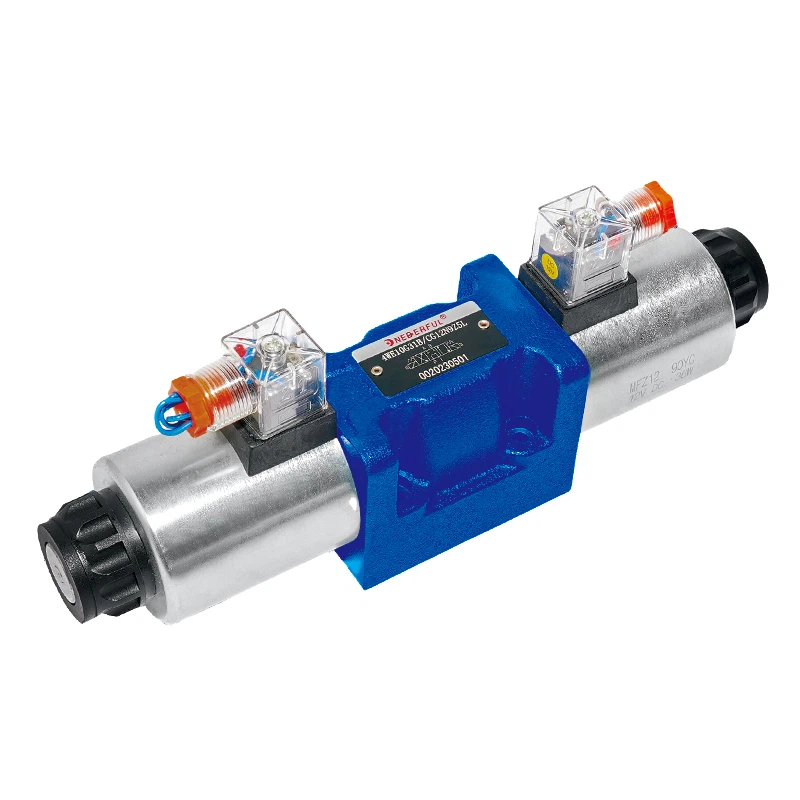
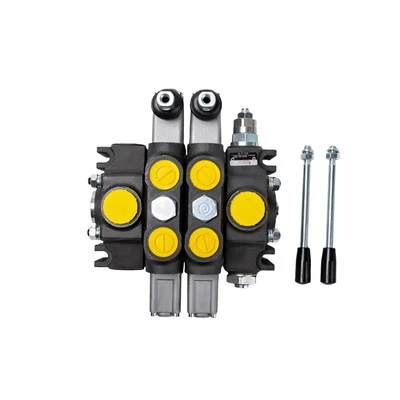
Hydraulic directional control valves are widely used in various mechanical equipment. For example, in excavators, they control the movement of the bucket and boom; in injection molding machines, they control the opening and closing of molds; and in agricultural tractors, they are used to raise and lower implements. Several factors need to be considered when selecting a valve, including operating pressure, flow rate, operating method, and environmental conditions.
For high-pressure systems, valves with high rated pressure should be selected to avoid leakage or damage. The flow rate determines the valve's diameter; excessive flow may lead to increased pressure drop. The operating method should be selected according to control requirements: manual valves are suitable for simple systems, solenoid valves are suitable for automated control, and hydraulic or electro-hydraulic valves are suitable for high-flow or high-pressure applications. Ambient temperature, vibration, and contamination levels also affect the valve's lifespan and performance.
In terms of maintenance, regularly checking the wear of the valve core and the condition of the seals is crucial. If the valve exhibits slow response or leakage, components should be cleaned or replaced promptly. Using suitable hydraulic oil and keeping the valve clean can extend its service life.
Hydraulic directional valves are an indispensable component of hydraulic systems. A comparison with other technologies reveals their advantages in high-load, high-reliability applications. Despite some limitations, with proper selection and maintenance, they can meet most industrial needs.