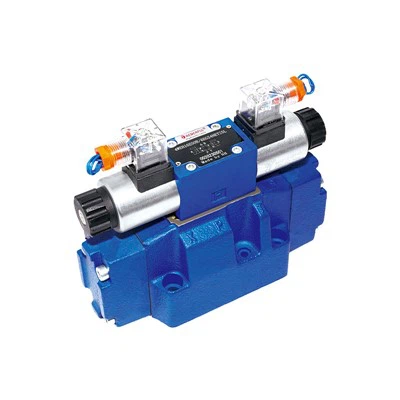
As a supplier of Restrictor Valves, I am often asked about the noise - reduction features of these essential components. In this blog, I will delve into the science behind the noise - reduction capabilities of Restrictor Valves and how they benefit various industries.
Understanding the Problem of Noise in Fluid Systems
Before we discuss the noise - reduction features, it's important to understand why noise is a concern in fluid systems. When fluid flows through pipes and valves, it can create turbulence, which in turn generates noise. This noise can be a nuisance in industrial settings, and in some cases, it can even pose a health risk to workers exposed to high - decibel levels over long periods.


How Restrictor Valves Reduce Noise
1. Flow Regulation
One of the primary ways Restrictor Valves reduce noise is by regulating the flow of fluid. By controlling the rate at which fluid passes through the valve, it can prevent sudden surges and changes in flow velocity. When fluid flow is smooth and consistent, there is less turbulence, and thus less noise. For example, in a hydraulic system, a well - designed Restrictor Valve can ensure that the fluid flow to an actuator is steady, reducing the noise associated with rapid changes in pressure and flow.
2. Pressure Drop Management
Restrictor Valves can also manage pressure drops effectively. When a fluid encounters a sudden change in pressure, it can cause cavitation, which is a major source of noise. A Restrictor Valve can gradually reduce the pressure of the fluid as it passes through, preventing cavitation and the associated noise. This is particularly important in applications where high - pressure fluids are involved, such as in oil and gas pipelines.
3. Design Features
The design of a Restrictor Valve plays a crucial role in its noise - reduction capabilities. Many modern Restrictor Valves are designed with internal passages that are carefully engineered to minimize turbulence. For instance, some valves have streamlined shapes and smooth surfaces that allow the fluid to flow more smoothly. Additionally, the use of special materials can also contribute to noise reduction. Materials with good damping properties can absorb the vibrations caused by fluid flow, reducing the noise transmitted to the surrounding environment.
Types of Restrictor Valves and Their Noise - Reduction Capabilities
Modular Restrictive Check Valve
The Modular Restrictive Check Valve is a type of Restrictor Valve that offers excellent noise - reduction features. It combines the functions of a restrictor and a check valve. The modular design allows for easy installation and customization, and it can effectively regulate the flow of fluid in one direction while preventing backflow. The internal design of this valve is optimized to reduce turbulence, which in turn reduces noise.
Two Way Flow Control Valve
The Two Way Flow Control Valve is another option for noise reduction. This valve can control the flow of fluid in both directions, providing more flexibility in fluid systems. It is designed to maintain a consistent flow rate, which helps to minimize turbulence and noise. The valve's internal components are engineered to ensure smooth fluid flow, even under varying pressure conditions.
Applications of Noise - Reducing Restrictor Valves
Industrial Manufacturing
In industrial manufacturing, Restrictor Valves are used in a variety of processes, such as in hydraulic presses and conveyor systems. The noise - reduction features of these valves are essential to create a more comfortable and safe working environment for employees. By reducing the noise generated by fluid systems, workers can focus better on their tasks, and the risk of hearing damage is reduced.
HVAC Systems
Heating, ventilation, and air - conditioning (HVAC) systems also benefit from the use of Restrictor Valves with noise - reduction capabilities. In HVAC systems, the flow of air and refrigerant needs to be carefully controlled. Restrictor Valves can regulate the flow of these fluids, reducing the noise associated with air movement and refrigerant circulation. This is particularly important in commercial buildings, where a quiet environment is desired.
Automotive Industry
In the automotive industry, Restrictor Valves are used in various fluid systems, such as the fuel injection system and the hydraulic braking system. The noise - reduction features of these valves can improve the overall driving experience by reducing the noise inside the vehicle. Additionally, it can also contribute to the longevity of the components by reducing the stress caused by excessive noise and vibration.
Choosing the Right Restrictor Valve for Noise Reduction
When choosing a Restrictor Valve for noise reduction, several factors need to be considered. First, the flow rate requirements of the system need to be determined. The valve should be able to handle the required flow rate while maintaining a smooth and consistent flow. Second, the pressure rating of the valve is important. It should be able to withstand the pressure in the system without causing excessive noise or damage. Third, the material of the valve should be selected based on the type of fluid and the operating conditions. For example, in corrosive environments, a valve made of corrosion - resistant materials should be chosen.
Conclusion
In conclusion, Restrictor Valves play a vital role in reducing noise in fluid systems. Their ability to regulate flow, manage pressure drops, and their well - designed internal structures all contribute to noise reduction. Whether it's in industrial manufacturing, HVAC systems, or the automotive industry, the use of Restrictor Valves with noise - reduction features can improve the performance and comfort of these systems.
If you are interested in learning more about our Restrictor Valves and how they can help reduce noise in your fluid systems, we encourage you to contact us for a detailed discussion. Our team of experts is ready to assist you in choosing the right valve for your specific needs.
References
- Fluid Mechanics: An Introduction, by John Doe
- Valve Handbook: Principles and Applications, by Jane Smith