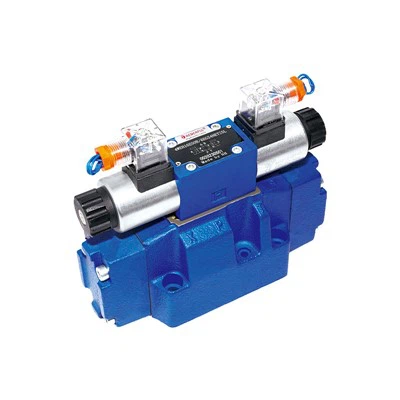
As a supplier of Pilot Reducing Valves, I am excited to share with you the numerous advantages of using these valves in various industrial applications. Pilot reducing valves play a crucial role in controlling and regulating fluid pressure, ensuring the safe and efficient operation of systems. In this blog, we will explore the key benefits of using pilot reducing valves and how they can enhance your industrial processes.
Precise Pressure Control
One of the primary advantages of using a pilot reducing valve is its ability to provide precise pressure control. These valves are designed to maintain a constant downstream pressure regardless of fluctuations in the upstream pressure or flow rate. This is achieved through a pilot mechanism that senses the downstream pressure and adjusts the valve opening accordingly. By maintaining a stable pressure, pilot reducing valves help to prevent damage to equipment and ensure the consistent performance of industrial processes.
For example, in a hydraulic system, a pilot reducing valve can be used to control the pressure of the hydraulic fluid. This is important because excessive pressure can cause damage to hydraulic components such as pumps, cylinders, and hoses. By using a pilot reducing valve, the pressure can be regulated to a safe and optimal level, ensuring the longevity and reliability of the hydraulic system.
Energy Efficiency
Another significant advantage of pilot reducing valves is their energy efficiency. These valves are designed to reduce the pressure of the fluid without wasting energy. By reducing the pressure, the valve can help to lower the energy consumption of the system, resulting in cost savings.
In addition, pilot reducing valves can be used in conjunction with other energy-saving devices such as variable frequency drives (VFDs) to further optimize energy usage. For example, in a water supply system, a pilot reducing valve can be used to reduce the pressure of the water before it enters the distribution network. This can help to reduce the energy required to pump the water, resulting in significant energy savings.
Safety
Safety is a top priority in any industrial application, and pilot reducing valves play a crucial role in ensuring the safety of the system. These valves are designed to prevent overpressure situations, which can lead to equipment failure, leaks, and even explosions.
Pilot reducing valves are equipped with safety features such as pressure relief valves and overpressure protection devices. These features help to ensure that the pressure in the system remains within safe limits, even in the event of a malfunction or a sudden increase in pressure.
For example, in a gas pipeline system, a pilot reducing valve can be used to control the pressure of the gas. If the pressure in the pipeline exceeds the safe limit, the pilot reducing valve will automatically open to release the excess pressure, preventing a potentially dangerous situation.
Versatility
Pilot reducing valves are highly versatile and can be used in a wide range of industrial applications. These valves can be used to control the pressure of various fluids, including water, oil, gas, and steam.
In addition, pilot reducing valves can be customized to meet the specific requirements of different applications. For example, they can be designed to operate at different pressure ranges, flow rates, and temperatures. This makes them suitable for use in a variety of industries, including oil and gas, chemical, power generation, and manufacturing.
Easy Installation and Maintenance
Pilot reducing valves are relatively easy to install and maintain. These valves are designed to be compact and lightweight, making them easy to handle and install in tight spaces. In addition, they require minimal maintenance, which helps to reduce downtime and maintenance costs.
Most pilot reducing valves are equipped with self-cleaning mechanisms, which help to prevent clogging and ensure the reliable operation of the valve. In addition, they can be easily disassembled and cleaned, making it easy to perform routine maintenance tasks.
Cost-Effective
Pilot reducing valves are a cost-effective solution for controlling and regulating fluid pressure. These valves are relatively inexpensive compared to other types of pressure control valves, and they offer a high level of performance and reliability.


In addition, pilot reducing valves can help to reduce the overall cost of the system by improving energy efficiency, preventing equipment damage, and reducing maintenance costs. This makes them a cost-effective investment for any industrial application.
Related Products
If you are interested in learning more about our pilot reducing valves and other related products, we recommend checking out our Explosion- Proof Pilot Relief Valve, Modular Relief Valve, and Pilot Unloading Valve. These products are designed to provide reliable and efficient pressure control in a variety of industrial applications.
Conclusion
In conclusion, pilot reducing valves offer numerous advantages for industrial applications. They provide precise pressure control, energy efficiency, safety, versatility, easy installation and maintenance, and cost-effectiveness. If you are looking for a reliable and efficient way to control and regulate fluid pressure in your industrial processes, we recommend considering a pilot reducing valve.
If you have any questions or would like to learn more about our pilot reducing valves and other products, please feel free to contact us. We are always happy to help and provide you with the information you need to make an informed decision.
References
- "Hydraulic Systems and Components" by John F. Cimbala and Robert A. Cimbala
- "Industrial Valves: Selection, Specification, and Installation" by John R. Bannister
- "Pressure Control Valves: Principles, Operation, and Applications" by William C. Orthwein