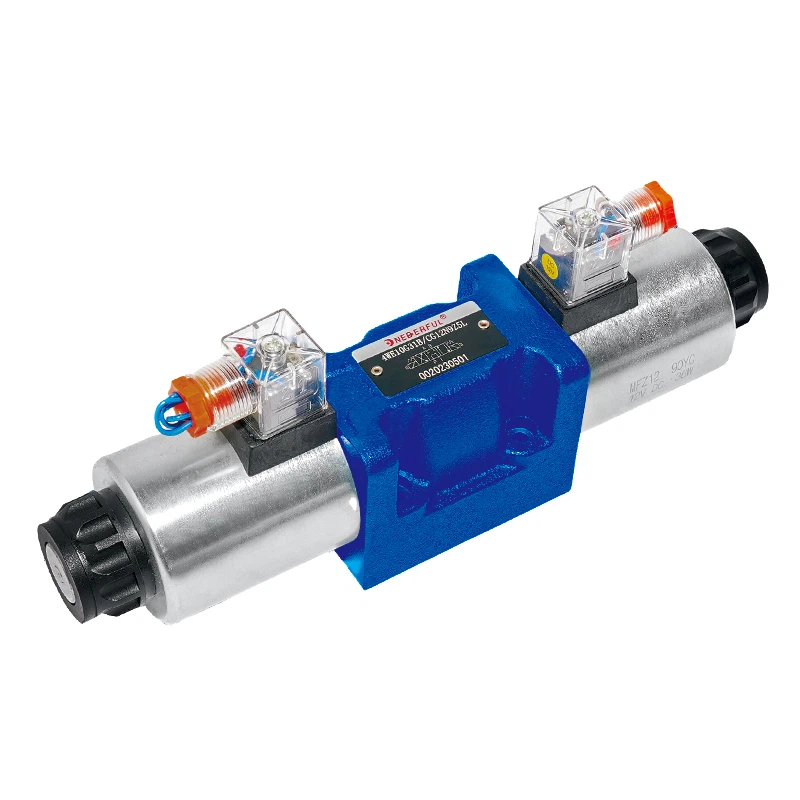
Core Structural Components
Main Valve: As the main body of the valve, it controls the flow and volume of fluid. Its opening is driven by a pilot valve or automatic balancing valve assembly.
Pilot Valve/Automatic Balancing Valve Assembly: This is the core component for automatic control. It senses the pressure difference or flow rate changes at the inlet and outlet of the main valve and automatically adjusts the opening of the main valve accordingly to maintain a preset flow rate. In self-operated or 400X type flow control valves, this is typically a precision hydraulic control system consisting of a diaphragm, spring, and valve core.
Manual Adjustment Valve Assembly: In self-operated and digital display flow control valves, a manual adjustment mechanism (such as a handwheel or knob) is usually included. The user sets the desired flow rate value through this mechanism, and the opening is calibrated and locked.
Flow Sensing and Display Device (Digital Display Only): In digital display flow control valves, the structure additionally includes a flow meter (containing an impeller), sensor, transmitter, electronic calculator, and display. Water flow impacts the impeller, generating an electrical signal. This signal is processed and displayed in real-time on the monitor, enabling precise adjustment and monitoring.
Auxiliary components include a micro-filter (to protect the pilot valve from clogging), a pressure gauge (to monitor system pressure), needle valves, ball valves, etc. These components together constitute a complete hydraulic control piping system.