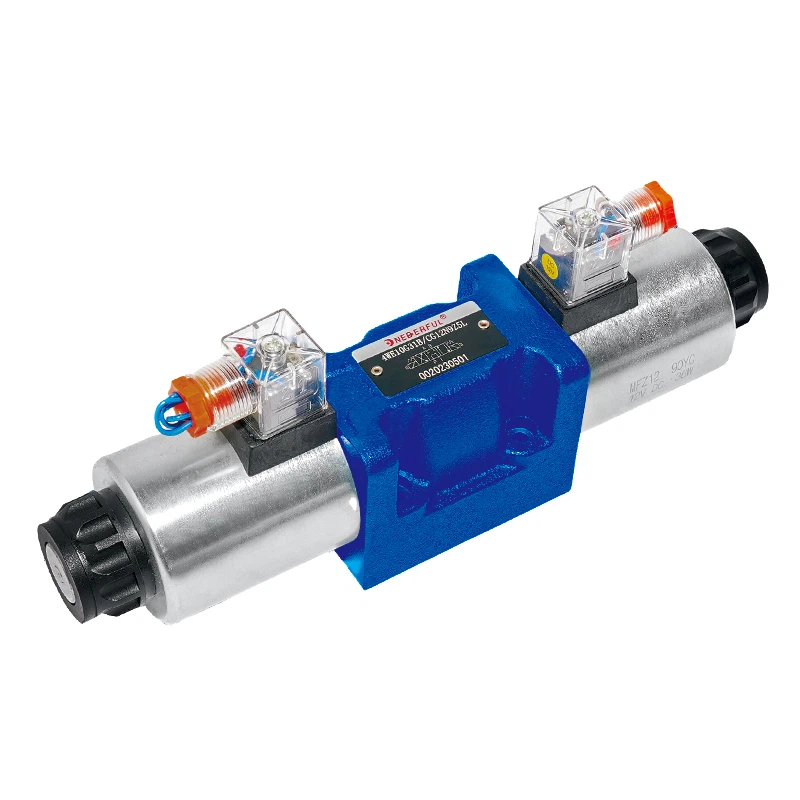
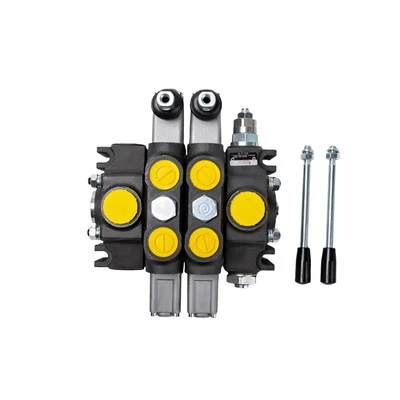
A hydraulic directional control valve is a core component used to control the flow direction of hydraulic fluid in a hydraulic system. Its basic characteristics are mainly reflected in its function, structure, classification, and working principle.
Core Function: By moving the valve core within the valve body, it connects, disconnects, or changes the flow direction of the oil circuit, thereby controlling the start, stop, or change the direction of motion of hydraulic actuators (such as cylinders or motors).
Basic Structure: It mainly consists of a valve body, valve core (spindle), valve column, hydraulic manifold, and end caps. The machining accuracy of the hydraulic manifold directly determines the flow control capability and functional realization of the directional control valve.
Main Classifications
By Working Position: Divided into two-position and three-position directional control valves.
By Number of Channels: Common types include three-way, four-way, and six-way valves.
By Valve Core Type: Includes D-type, E-type, J-type, C-type, CK-type, Y-type, B-type, and H-type valves.
According to operating method: They can be divided into electromagnetic operation (single/dual electromagnets), manual operation (lever or spring return), hydraulic operation, and electro-hydraulic hybrid operation.
According to installation standards: such as CETOP 3 and CETOP 5.
According to performance parameters: Classified according to maximum flow rate (e.g., 25L/min, 60L/min) and maximum working pressure (e.g., 160bar, 210bar, 350bar).