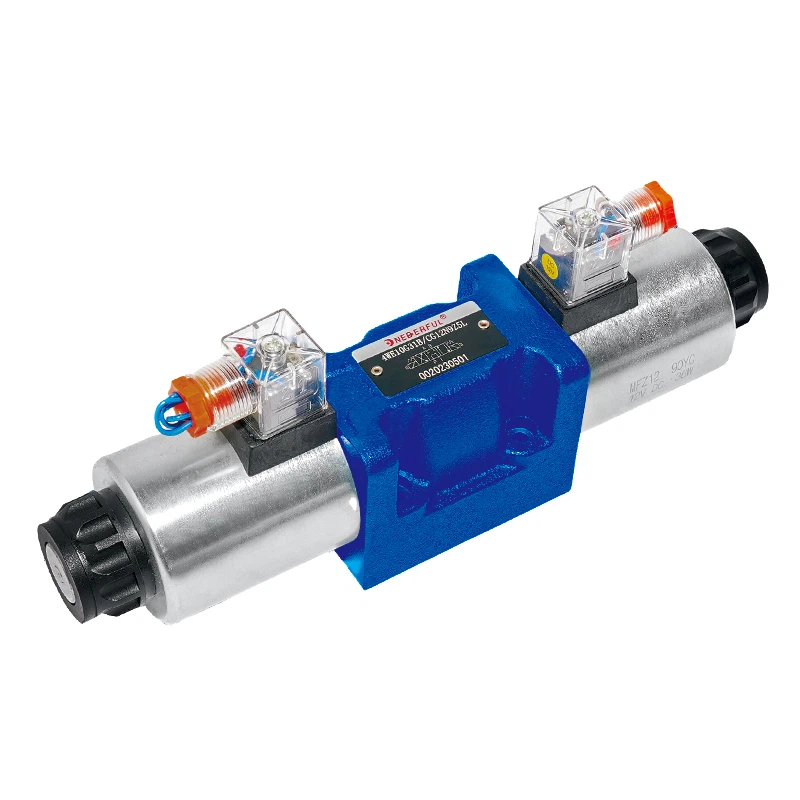
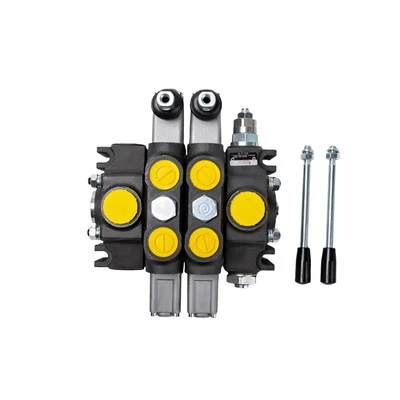
Safety Preparation and Disassembly
Disconnect the System: Ensure the equipment is completely shut down and release all pressure in the hydraulic system to avoid injury from high-pressure oil splashing.
Clean the Exterior: Use a brush, non-metallic scraper, or clean cloth to remove oil and dust from the valve body surface. Be careful not to scratch the valve body mounting surface or damage the seals.
Marking and Disassembly: Before disassembly, carefully record the location and connection method of each part, oil pipe, and electrical plug, and mark them accordingly. Do not force disassembly to avoid damaging internal precision components.
Internal Cleaning
Choose the Cleaning Fluid: Prioritize using a dedicated hydraulic system cleaner or a clean, non-corrosive liquid. If a dedicated cleaner is unavailable, diesel, gasoline, or kerosene can be used cautiously as substitutes, but their flammability must be considered. Strong acids, strong alkalis, or corrosive cleaners are strictly prohibited.
Cleaning Method:
Immersion and Rinsing: Place the disassembled valve body, valve core, and other parts into a cleaning tank and immerse them in the cleaning fluid. Ultrasonic cleaning is recommended if available for better results.
High-pressure cleaning: Use cleaning fluid for high-pressure positioning cleaning to thoroughly remove dirt from oil passages and pores.
Manual cleaning: For oil stains inside the valve core and valve body, use carburetor cleaner with a small brush for meticulous cleaning, ensuring that moving parts such as the plunger can move freely.
Key points: Cleaning should follow the principle of "outside before inside, top before bottom." Never pour cleaning fluid directly into the valve body; cleaning should be performed in a discarded oil container.