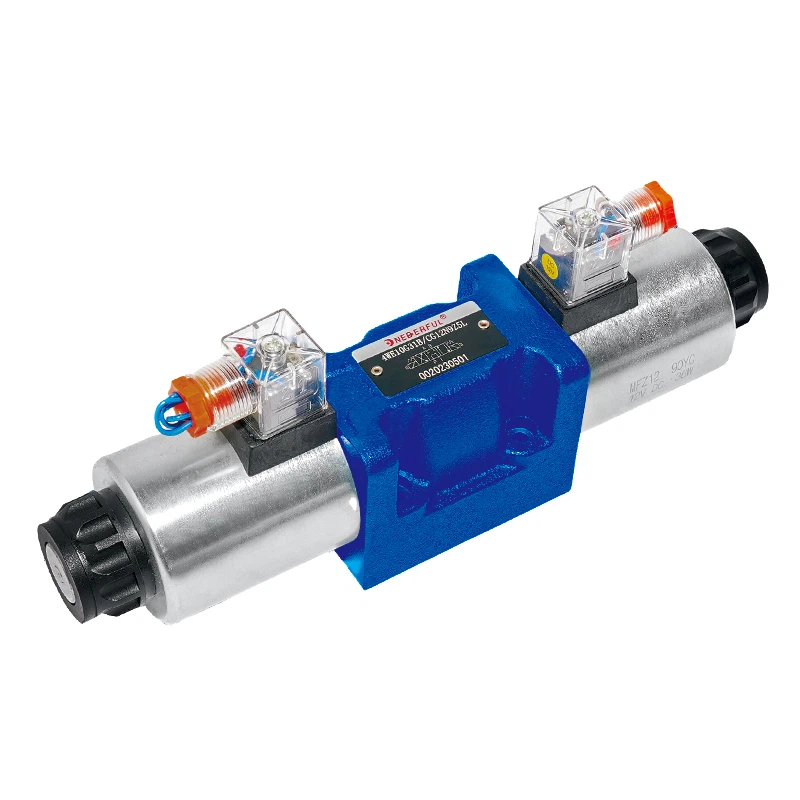
A hydraulic gear pump is a core power component in a hydraulic system. Its main function is to convert mechanical energy into hydraulic energy, providing the entire hydraulic system with working oil at specific pressures and flow rates.
Energy Conversion: Driven by an engine or electric motor, the hydraulic gear pump converts input mechanical energy into the pressure energy of hydraulic oil through the meshing rotation of gears, thereby outputting a high-pressure oil flow.
Providing a Power Source: As the "heart" of the hydraulic system, it provides continuous and stable pressure oil to actuators such as hydraulic cylinders and hydraulic motors, driving the load to perform linear or rotary motion.
Achieving Flow Output: The hydraulic gear pump is a positive displacement pump, and its output flow rate is directly proportional to its rotational speed. Through the change in sealed volume formed by gear meshing, it can continuously and quantitatively deliver oil, achieving a stable flow output.
Maintaining System Pressure: The pump's outlet pressure depends on the resistance of the hydraulic system load. When the load increases, the system pressure rises, and the pump must overcome this resistance to continuously output oil, thereby maintaining the required working pressure of the system. In addition, hydraulic gear pumps possess advantages such as simple structure, reliable operation, strong self-priming capability, and insensitivity to oil contamination. Therefore, they are widely used in hydraulic systems of engineering machinery, agricultural machinery, mining equipment, ships, injection molding machines, and other fields.