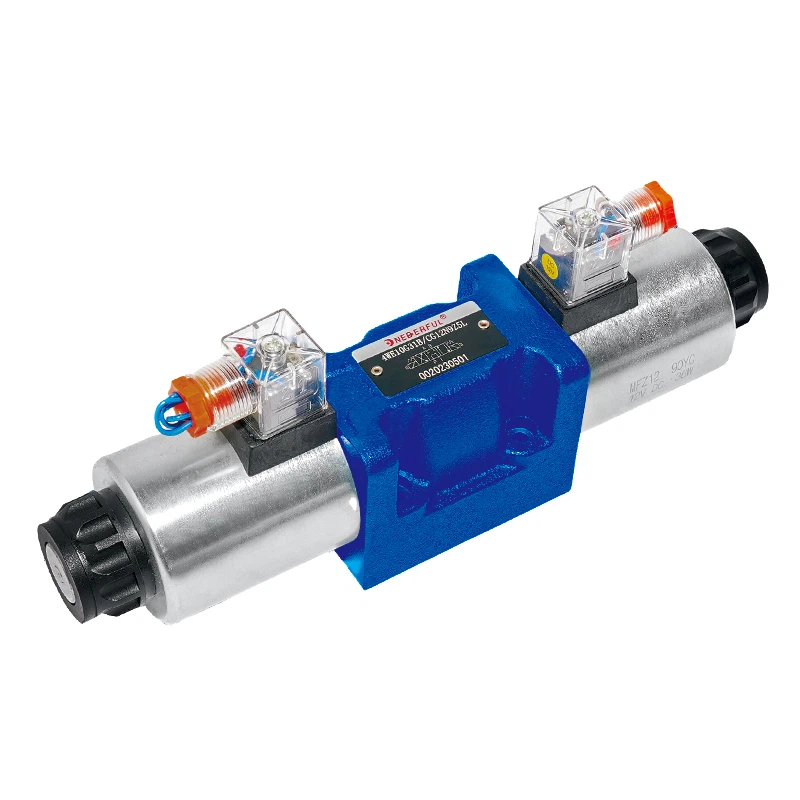
Multi-way valves, as indispensable control components in hydraulic systems, primarily function to precisely regulate the pressure, flow rate, direction, and flow state of fluids, enabling the diversion, combination, and conversion of hydraulic actuators. This characteristic makes multi-way valves highly effective across numerous industries.
Firstly, by definition, a multi-way valve is a highly integrated hydraulic control device with a sophisticated internal structure. Through the precise coordination of components such as the valve core, valve seat, and spring, it achieves efficient control of fluid flow. Whether manually, electromagnetically, or hydraulically controlled, multi-way valves can flexibly adapt to actual needs.
In terms of application, multi-way valves are found in almost all fields requiring hydraulic control. In the construction machinery sector, such as excavators and cranes, multi-way valves, with their superior control performance, ensure precise operation of equipment in multiple directions and with multiple movements. In agricultural machinery, such as planting machines and sprayers, multi-way valves facilitate coordinated control of different hydraulic actuators, improving operational efficiency. Furthermore, in high-end fields such as industrial manufacturing, diesel engine manufacturing, and aerospace, multi-way valves also play an irreplaceable role.
Of course, multi-way valves are not without their flaws. Their design and manufacturing processes are complex and costly, and they are susceptible to contamination and wear during use, requiring regular maintenance. However, these shortcomings do not outweigh their advantages. With their powerful functionality and wide applicability, multi-way valves have become an indispensable and important component of hydraulic systems. Therefore, when selecting a multi-way valve, its advantages and disadvantages, as well as the actual application requirements, should be fully considered to ensure the stability and efficiency of the system.