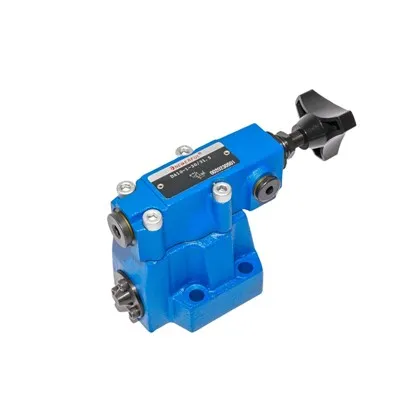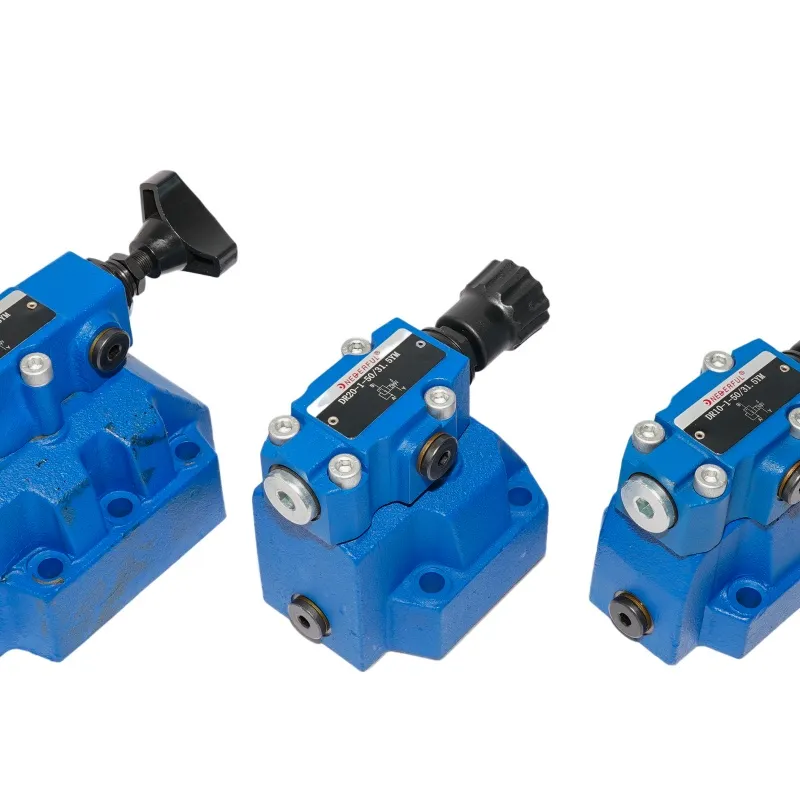


Shijiazhuang Laiye Import& Export Trading Co., Ltd. is one of the leading manufacturers and suppliers of dr pilot reducing valve rexroth substitute in China, also supports customized service. If you're going to wholesale high quality dr pilot reducing valve rexroth substitute made in China, welcome to get pricelist from our factory.
DR Pilot Reducing Valve – How to Select, Install, and Keep It Working
Most people order a reducing valve by looking at the old part number.
That works, but sometimes the original was wrong for the application.
Here are three things to check before ordering a pilot operated pressure reducer.
1. Flow range matters more than you think
Pressure regulation requires a minimum flow of 2–5 L/min. Our DR series has a 0.5 L/min internal bleed, stable even at zero load flow. For accumulator circuits needing no bleed, select the zero-bleed model and maintain ≥2 L/min system flow.
2. The pressure drop must be enough
This valve requires a 5 bar minimum differential between inlet and outlet for normal regulation. For pressure differences below 10 bar, choose our direct-acting DRD series instead.
3. Check the drain option
External drain (standard) delivers optimal performance but needs a dedicated drain line. Internal drain simplifies piping, yet raises outlet pressure by 3–5 bar and increases backpressure sensitivity. Use internal drain only when separate piping is unavailable.
Installation Mistakes That Ruin Performance
I have watched field technicians make the same five errors for twenty years.
Here is what to avoid.
Mistake 1: Forgetting to remove the transport plug
Many reducing valves ship with a plastic plug in the gauge port. Some technicians install the valve without removing it. The valve seems to work but the gauge reads zero. Remove all transport plugs before mounting.
Mistake 2: Using Teflon tape on port threads
Teflon tape shreds. The small pieces go into the pilot orifices and block them. The valve then either fails to reduce pressure (stuck open) or reduces too much (stuck closed). Use only liquid thread sealant or none at all – the O‑rings on the subplate seal the ports.
Mistake 3: Over‑tightening the subplate bolts
The correct torque for NG6 is 28 Nm, for NG10 is 50 Nm. Over‑tightening distorts the valve body, jamming the main spool. Under‑tightening causes external leaks. Use a torque wrench.
Mistake 4: Connecting the drain line to a shared return with back pressure
A common mistake: tying the drain (port Y) into the main tank line after a dirty filter. The back pressure shifts the outlet pressure upward 1:1. If you have 6 bar back pressure, your 100 bar setting becomes 106 bar. Always run a dedicated drain line to the tank, below the oil level.
Mistake 5: Setting pressure with no flow
Adjusting the valve while downstream valves are closed gives a false reading. The pressure will drop when flow starts because of pressure drop across the main spool. Always set the pressure with the downstream actuator moving at normal speed.
How Long Will It Last? (And How to Make It Last Longer)
Based on our lab tests and field returns, here are realistic lifetime expectations for a DR pilot operated reducing valve.
| Component | Expected cycles (clean oil, ISO 16/13/10) | What kills it |
|---|---|---|
| Pilot poppet & seat | 2‑3 million | Contamination, water |
| Main spool DLC coating | 5‑6 million | Abrasive particles (silicon, iron oxide) |
| Pilot spring | 3‑4 million (pressure drift >5%) | Heat cycling, fatigue |
| Check valve poppet | 1‑2 million (leakage becomes measurable) | Repeated reverse flow at high pressure |
| O‑rings (NBR) | 6‑8 years | Heat above 80°C, chemical attack |
To maximize life:
Keep oil cleanliness at ISO 16/13/10 or better (a 10 µm return filter is cheap insurance)
Keep oil temperature below 70°C
Change the pilot stage every 2 million cycles if the machine runs 24/7
Flush the valve with clean oil before storing a spare
Production Quality – What We Actually Measure
Our Shijiazhuang facility (Hebei Wendefu, founded 1988) tests every DR valve on a computer‑controlled rig. The test report (QR code on body) includes:
Set pressure accuracy (at nominal flow)
Pressure rise from 0% to 100% flow (should be under 8%)
Hysteresis (ramp up and down)
Check valve leakage (reverse pressure held for 60 seconds)
Pilot stage bleed flow (should be 0.5 ± 0.1 L/min)
We reject about 4% of assembled valves – mostly for excessive hysteresis or seat leakage. Those are disassembled, relapped, and retested.
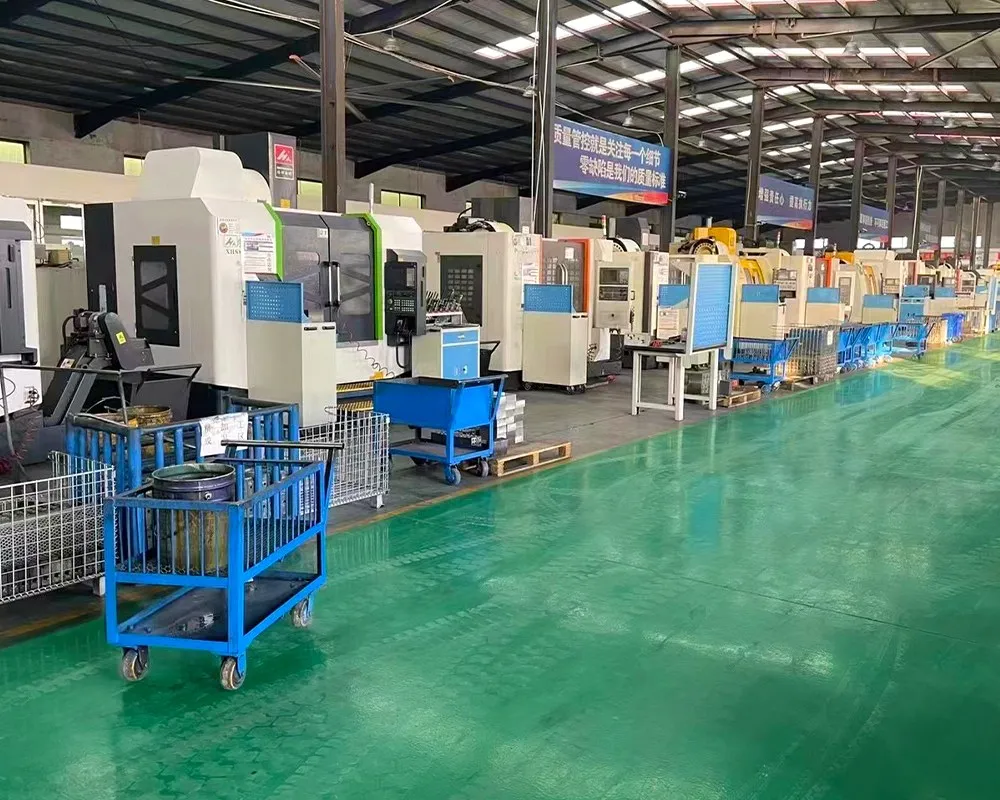

One-stop Cosmetic Hydraulic Factory in China
Founded in 1988, Shijiazhuang Laiye Import & Export trading Co,. Ltd belongs to Hebei Wendefu Hydraulic Technology Co., Ltd. is a high-tech enterprise focusing on R&D, production and sales of hydraulic valves, directional valves, pressure valves, flow valves, accessories, special components and other pressure valve components. The company has strong technical strength and processing capacity, and has hired a group of senior experts in the industry as senior consultants.
Hot Tags: dr pilot reducing valve rexroth substitute, China dr pilot reducing valve rexroth substitute, manufacturers, suppliers, factory, 2 Way Hydraulic Selector Valve, 2000 PSI Solenoid Valve, Best hydraulic valve brands, high pressure hydraulic, Hydraulic Solenoid Valve Wiring Diagram, Hydraulic valve drawings